

2026 Volvo vs. Lexus Comparison

Safety
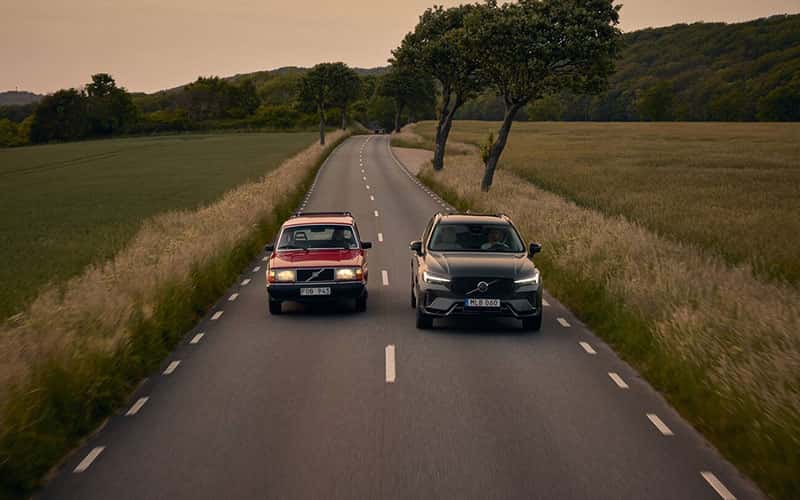
If there’s one thing that Volvo is known for above all else, it’s safety. Safety has always been a priority for Volvo, since the company’s founding, and Volvo has been moving safety forward for the entire industry for decades. Volvo safety innovations have changed the way the world thinks about automotive safety, with many of these technologies being adopted by other manufacturers widely enough that they have become the norm, or even legal requirements. Lexus cannot claim anything nearly as significant in the world of safety. Here are some examples of Volvo safety innovation:
- Three-point safety belt – (1959)
- Rearward-facing child seat (1972)
- Side Impact Protection System (1991)
- Whiplash Protection System (1998)
- The Inflatable Curtain (1998)
- Roll Stability Control (2002)
- Pedestrian Detection with Full Auto Brake (2010)
- Run-off Road Protection (2014)
 |
 |
|
|
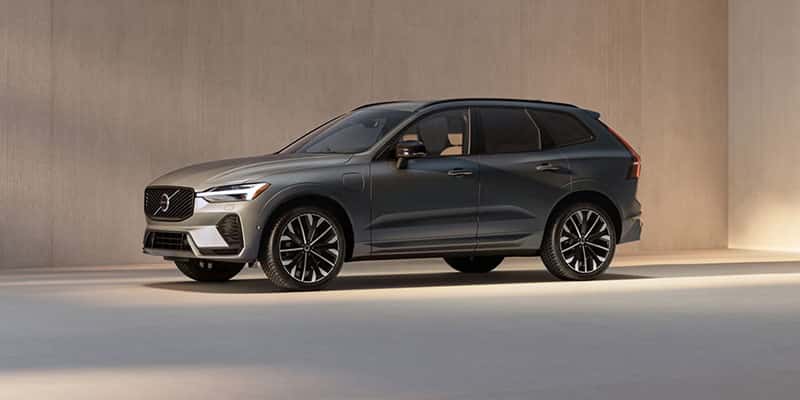
2026 Volvo XC60 Plug-In Hybrid Core AWD |
VS |
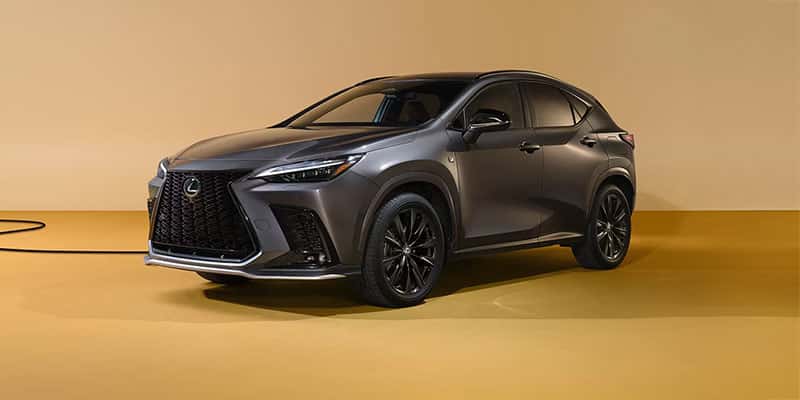
2026 Lexus NX 450h+ Premium AWD |
| $62,445 |
MSRP |
$59,105 |
| 455 ✓ |
Horsepower |
304 |
| 4.5 seconds ✓ |
0-60 Time |
6 seconds |
| Double wishbone ✓ |
Front Suspension |
Strut |
| 36 miles |
All-Electric Range |
37 miles |
| 3,500 pounds ✓ |
Towing Capacity |
2,000 pounds |
| Standard ✓ |
360-View Camera |
Optional |
| 12.3 inches ✓ |
Digital Gauge Cluster |
7 inches |
| Panoramic ✓ |
Sunroof |
Conventional |
| 20 months / 20,000 miles ✓ |
Included Routine Maintenance |
12 months / 10,000 miles |
Volvo always stands out from the competition when it comes to equipment, and even though Lexus does okay in this category when compared to the German brands, it’s not on Volvo’s level. The XC60 comes with a standard 360-degree camera, a very useful piece of equipment. The digital and customizable gauge cluster in the XC60 is quite a bit bigger and easier to see than the small 7-inch unit in the NX. And you can have all the natural light you need to see it, thanks to the panoramic roof in the XC60. Lastly, another example of how the brands themselves differ is that the XC60 comes with a lot more routine maintenance included in the price.
Electric Powertrain Innovation
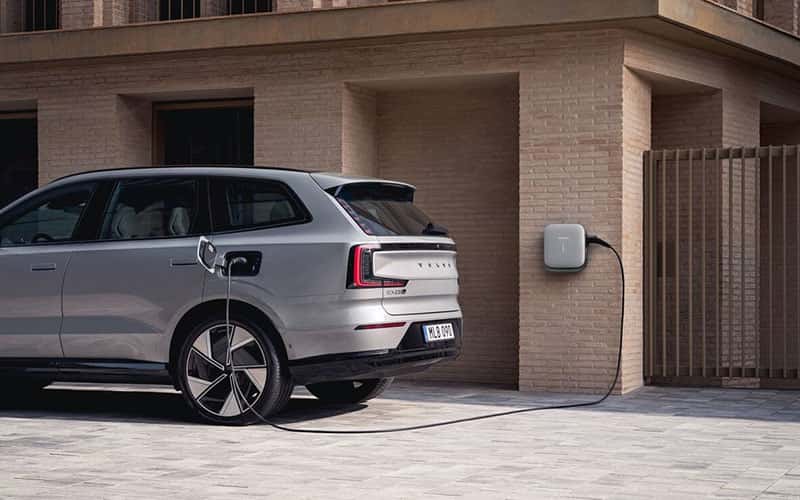
Volvo got serious about electrification before quite a few other brands, and as a result, now has a versatile lineup of three all-electric models, including one of the only electric subcompacts on the market and one of the only three-row electric models as well. Lexus, on the other hand, currently sells only one electric model, the RZ. This model is closely related to both the Toyota bZ4X and the Subaru Solterra, and you really have to look at the badges in order to tell the three apart from one another. This shows, above all, a lack of commitment to electrification on the part of Lexus, which explains why it also offers lackluster power and below-average range. The following are the Volvo electric models:
- EX30
- EX40
- EX90
*Starting Manufacturer’s Suggested Retail Price (MSRP) includes destination fee of $1,295 (EX90, EX30, EX40, C40 Recharge, XC90, XC90 plug-in hybrid, XC60, XC60 plug-in hybrid, and XC40) or $1,195 (V90 Cross Country, V60 Cross Country, S90, S90 plug-in hybrid, S60, and S60 plug-in hybrid). Images may reflect a more expensive trim level with optional equipment and accessories. Taxes, title, registration, license, insurance, maintenance, and other retailer fees are excluded from starting MSRP. Retailer sets actual price. See authorized Volvo Cars retailer for details.